
Table Of Contents
- Introduction: Where Neuroscience Meets Personal Development
- The Neurological Foundations of Emergenetics
- How Brain Structure Influences Thinking Preferences
- The Four Thinking Attributes: A Neurological Perspective
- Behavioral Attributes: Beyond Thinking Patterns
- Neuroplasticity and Profile Development
- Practical Applications: Leveraging Neuroscience in Teams and Organizations
- Conclusion: The Future of Neuroscience-Based Assessments
Introduction: Where Neuroscience Meets Personal Development
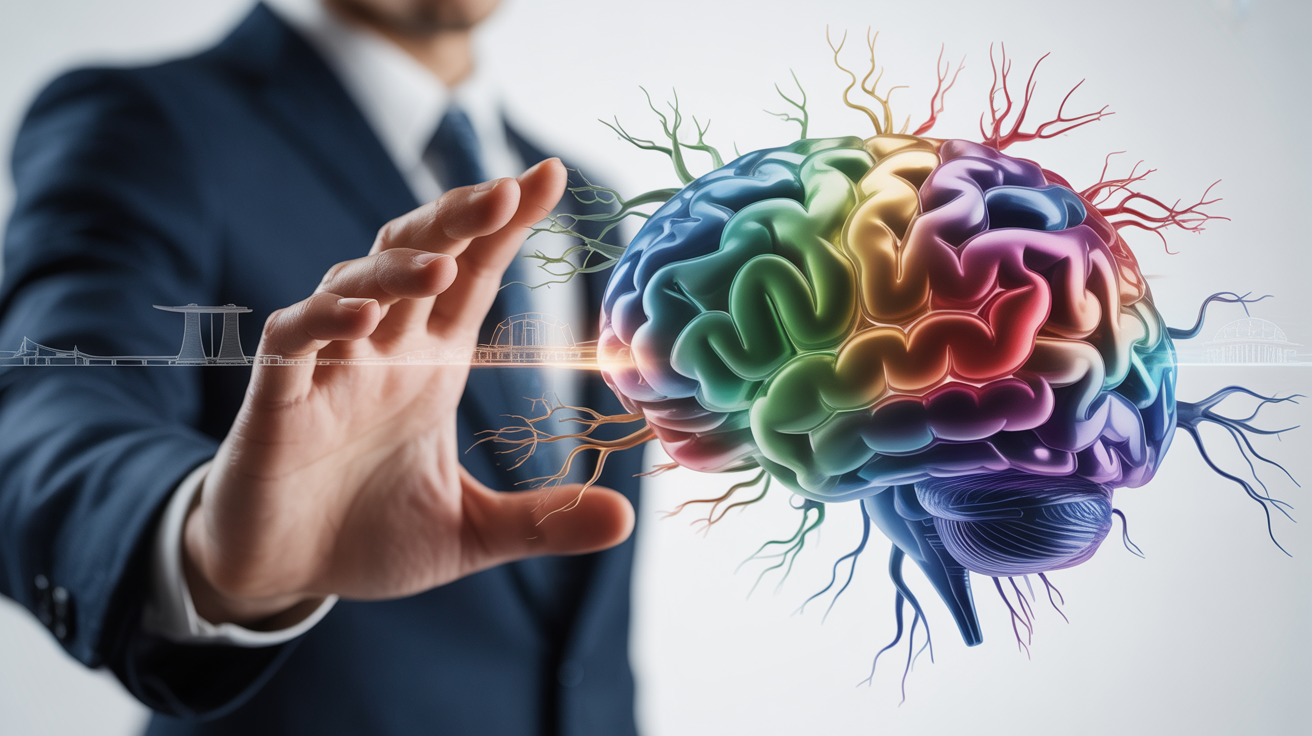
When you complete an Emergenetics Profile, you’re not just answering a series of questions—you’re providing a window into the unique neural architecture of your brain. The science behind Emergenetics represents a fascinating intersection where cutting-edge neuroscience research meets practical applications for personal and professional development. Unlike personality assessments based solely on behavioral observations, Emergenetics is grounded in how our brains physically function and process information.
The human brain, with its 86 billion neurons forming trillions of connections, creates thought patterns as unique as fingerprints. Emergenetics Profiling captures these patterns through carefully designed questions that reveal your preferred thinking and behavioral attributes. These preferences aren’t simply learned behaviors or temporary states—they reflect the physical structure and neural pathways that have developed in your brain throughout your lifetime.
In this article, we’ll explore the fascinating neuroscience that underlies the Emergenetics Profile, examining how specific brain regions correspond to different thinking attributes, how neural networks influence behavioral preferences, and why understanding this science matters for personal growth, team dynamics, and organizational development. Whether you’re new to Emergenetics or looking to deepen your understanding of your profile results, this neurological perspective offers valuable insights into why we think and behave the way we do.
The Neurological Foundations of Emergenetics
The term “Emergenetics” itself reveals its scientific underpinnings—a combination of “emerge” and “genetics” that acknowledges both our innate tendencies and how they develop through interaction with our environment. This concept aligns perfectly with modern neuroscientific understanding of brain development, which recognizes the interplay between genetic predispositions and environmental influences.
Dr. Geil Browning and Dr. Wendell Williams, the founders of Emergenetics, developed their approach in the 1990s by synthesizing research from multiple neuroscientific disciplines. They based their work on three key principles from neuroscience that continue to inform the Emergenetics methodology today:
- Brain Specialization: Different regions of the brain specialize in different types of processing, from analytical reasoning to emotional perception.
- Neural Preference: We naturally favor certain neural pathways over others, creating habitual patterns of thought and behavior.
- Neuroplasticity: While we have preferences, our brains remain adaptable throughout life, allowing us to develop in all areas.
The Emergenetics Profile measures seven attributes—four Thinking and three Behavioral—that correspond to patterns of neural activity in different brain regions. When we engage in Analytical thinking, for instance, different brain areas activate compared to when we engage in Social thinking. These activation patterns can be observed through technologies like functional magnetic resonance imaging (fMRI) and electroencephalography (EEG), validating the neurological basis of the attributes measured in the profile.
Crucially, Emergenetics doesn’t label people with rigid categories but instead recognizes that each person possesses all attributes in varying degrees. This spectrum approach better reflects the complex neural networks of our brains, where various regions work together rather than in isolation.
How Brain Structure Influences Thinking Preferences
Our thinking preferences are not arbitrary—they reflect the physical architecture of our brains and the strength of connections between different neural regions. Modern neuroimaging has revealed that specific brain structures correlate with the thinking attributes measured in the Emergenetics Profile.
The cerebral cortex—the wrinkled outer layer of the brain responsible for higher-order functions—is divided into four lobes (frontal, parietal, temporal, and occipital), each associated with different cognitive processes. Additionally, the two hemispheres of the brain tend to specialize in different types of processing, though they work together via the corpus callosum, a bundle of nerve fibers connecting them.
These structural differences help explain why some people naturally excel at detailed, sequential processing while others thrive when thinking conceptually or socially. Research shows that individuals with strong Analytical preferences often show heightened activity in the left prefrontal cortex when problem-solving, while those with strong Social preferences typically display more activity in regions like the temporoparietal junction, which is crucial for understanding others’ perspectives.
Neuroscientists have also discovered that the strength of white matter connections—the brain’s communication pathways—between different regions correlates with cognitive preferences. Someone with robust connections between emotional processing centers (like the amygdala) and executive function regions (in the prefrontal cortex) might display a more integrated Social-Conceptual thinking style.
Individual differences in neurotransmitter systems also influence thinking preferences. The balance of neurotransmitters like dopamine (associated with novelty-seeking and creative thinking) and serotonin (linked to methodical, structured approaches) affects how we process information and make decisions—precisely what the Emergenetics Profile aims to capture.
The Four Thinking Attributes: A Neurological Perspective
The four Thinking attributes in the Emergenetics Profile—Analytical, Structural, Social, and Conceptual—correspond to distinct patterns of brain activity and neural network engagement. Understanding these neurological correlates helps explain why each attribute manifests in characteristic behaviors, preferences, and strengths.
Analytical Thinking: The Logical Brain
Analytical thinking primarily engages the left prefrontal cortex, dorsolateral prefrontal cortex, and parietal regions—areas specialized for logical reasoning, critical analysis, and rational decision-making. People with strong Analytical preferences typically show greater activation in these regions when solving problems.
Neurotransmitter systems involving dopamine and norepinephrine play important roles in analytical processing, supporting the ability to maintain attention on data and details. Individuals with strong Analytical preferences often have well-developed working memory systems, allowing them to hold and manipulate complex information while reasoning through problems.
When someone demonstrates characteristics like clear logic, data-driven decision making, and rational objectivity, they’re utilizing neural networks that efficiently process information in these analytical brain regions.
Structural Thinking: The Sequential Brain
Structural thinking relies heavily on the basal ganglia, parts of the left temporal lobe, and areas of the prefrontal cortex involved in sequential processing and rule-following. These regions excel at organizing information linearly, following established procedures, and maintaining order.
The neurotransmitter serotonin plays a key role in structural thinking processes, contributing to methodical approaches and attention to detail. People with strong Structural preferences often have enhanced connectivity between brain regions responsible for memory retrieval and those handling procedural sequencing.
When someone displays traits like organizational skill, process orientation, and practical implementation abilities, they’re drawing on neural systems specialized for structured, sequential information processing.
Social Thinking: The Empathic Brain
Social thinking engages the brain’s “social network,” including the temporoparietal junction, medial prefrontal cortex, and anterior cingulate cortex—regions crucial for empathy, perspective-taking, and understanding social dynamics. The right hemisphere often shows greater activation during social cognition tasks.
The neurotransmitter oxytocin, often called the “bonding hormone,” significantly influences social thinking processes, facilitating trust and interpersonal connection. Individuals with strong Social preferences typically have well-developed mirror neuron systems, which help them intuitively understand others’ emotions and intentions.
When someone exhibits strengths in relationship building, emotional intelligence, and collaborative problem-solving, they’re utilizing specialized neural networks designed for social cognition and interpersonal understanding.
Conceptual Thinking: The Innovative Brain
Conceptual thinking primarily engages the default mode network, right prefrontal cortex, and association areas that connect disparate brain regions. These areas excel at generating novel ideas, recognizing patterns, and thinking abstractly.
The balance of neurotransmitters like dopamine and acetylcholine influences conceptual processing, supporting cognitive flexibility and associative thinking. Those with strong Conceptual preferences often display greater functional connectivity between typically separate brain networks, allowing for unexpected connections and innovative thinking.
When someone demonstrates visionary thinking, comfort with ambiguity, and big-picture orientation, they’re drawing on neural systems specialized for divergent thinking and conceptual integration.
Behavioral Attributes: Beyond Thinking Patterns
While thinking preferences reflect how we process information, behavioral attributes in the Emergenetics Profile—Expressiveness, Assertiveness, and Flexibility—reveal how we typically act and interact. These too have neurological underpinnings that help explain individual differences.
The Expressiveness Spectrum: From Quiet to Gregarious
Expressiveness reflects how we communicate and share our thoughts with others. Neurologically, this attribute involves the brain’s reward circuitry, including the ventral striatum and nucleus accumbens, which respond differently to social stimulation in different individuals.
People on the quiet end of the spectrum often have reward systems that are less activated by extensive social interaction, making solitary activities more satisfying. Their brains may also show heightened sensitivity in the amygdala to social stimuli, increasing the cognitive load of highly interactive environments.
Conversely, those on the gregarious end typically have reward systems that are strongly activated by social engagement, creating a neurochemical incentive for interaction. They often have robust connections between language centers and social processing regions, facilitating spontaneous communication.
The Assertiveness Spectrum: From Peacekeeping to Driving
Assertiveness relates to how we advance our ideas and handle conflict. This attribute involves the brain’s approach-avoidance systems, particularly the anterior cingulate cortex and orbitofrontal cortex, which help regulate responses to potential conflict.
Individuals on the peacekeeping end often show greater activation in brain regions that process social threat and rejection, making conflict more neurologically “costly.” They typically have enhanced activity in areas that facilitate compromise and reading others’ emotional states.
Those on the driving end usually demonstrate stronger activity in reward centers when advancing goals and less activation in regions that process social rejection cues. Their neurological wiring often facilitates direct communication and competitive drive.
The Flexibility Spectrum: From Focused to Adaptable
Flexibility reflects our approach to change and ambiguity. Neurologically, this attribute involves the cognitive control network, particularly the anterior cingulate cortex and dorsolateral prefrontal cortex, which help manage shifting priorities and cognitive adaptation.
People on the focused end typically have neural systems that excel at sustained attention and filtering out distractions, allowing for deep concentration on specific tasks. Their brains often show strong connectivity in networks that maintain established routines and expectations.
Those on the adaptable end show enhanced activity in brain regions that facilitate task-switching and cognitive flexibility. They often have neural systems that readily incorporate new information and adjust mental models, supporting comfort with change and ambiguity.
Neuroplasticity and Profile Development
One of the most revolutionary discoveries in neuroscience is neuroplasticity—the brain’s ability to reorganize itself by forming new neural connections throughout life. This understanding is central to the Emergenetics philosophy that while we have natural preferences, we can develop in all areas.
Our thinking and behavioral preferences are shaped by both genetic predispositions and environmental influences through several neuroplasticity mechanisms:
- Synaptic plasticity: Frequent use of certain neural pathways strengthens connections, making those thinking processes more efficient.
- Structural plasticity: Regular engagement of specific cognitive functions can actually increase gray matter volume in associated brain regions.
- Network plasticity: With practice, we can enhance communication between different brain networks, improving our abilities in non-preferred attributes.
This neuroplasticity explains why Emergenetics Profiling isn’t about putting people in fixed boxes but rather about understanding current preferences while recognizing potential for growth. Someone with a naturally low preference for Conceptual thinking can develop this capacity through targeted practice that engages and strengthens the relevant neural networks.
Research on neuroplasticity also supports the Emergenetics emphasis on appreciating cognitive diversity. When teams combine different thinking preferences, they create an environment where members can learn from each other, potentially strengthening less-preferred neural pathways through exposure and practice.
Understanding neuroplasticity helps individuals leverage their Emergenetics Profile results more effectively—working with their natural strengths while strategically developing areas that may be currently less preferred but valuable for specific contexts or goals.
Practical Applications: Leveraging Neuroscience in Teams and Organizations
The neuroscience behind Emergenetics offers powerful applications for individual growth, team development, and organizational effectiveness. By understanding how different brains process information and approach challenges, we can design more effective strategies for collaboration, communication, and leadership.
At Trost Academy, we apply these neuroscientific principles through our Corporate and Personal Development Programmes that help individuals and teams leverage cognitive diversity. When team members understand the neurological basis of their differences, they move from judging others’ approaches to appreciating the value of different neural processing styles.
This neuroscience-informed approach transforms how organizations handle:
Team Collaboration
Understanding how different brains process information allows teams to design collaborative processes that accommodate various thinking preferences. For instance, teams might begin projects with conceptual brainstorming to engage big-picture thinkers, then shift to structural planning to leverage sequential processors’ strengths, followed by analytical evaluation and social consideration of impact.
Our Emergenetics Workshop & Programmes help teams recognize how each member’s unique neural architecture contributes valuable perspectives, reducing conflict and enhancing innovation through cognitive diversity.
Learning and Development
The neuroscience behind Emergenetics also informs more effective learning experiences. When training programs accommodate different neural processing preferences, they become more accessible and impactful for diverse learners.
At Trost Play, we design S.M.A.R.T Play Experiences that engage multiple thinking attributes simultaneously, leveraging neuroplasticity principles to strengthen less-preferred neural pathways through engaging, multimodal activities.
Leadership Effectiveness
Leaders who understand the neurological basis of thinking preferences can adapt their communication and decision-making approaches to better engage their teams. A leader might present the same information in multiple formats—providing data for Analytical thinkers, practical examples for Structural thinkers, interpersonal implications for Social thinkers, and innovative possibilities for Conceptual thinkers.
This neuroscience-informed leadership approach creates environments where diverse brain types can thrive, maximizing both individual contribution and collective intelligence.
Conclusion: The Future of Neuroscience-Based Assessments
The neuroscience behind Emergenetics represents a powerful bridge between scientific understanding of the brain and practical applications for personal and professional development. By recognizing how our neural architecture influences our thinking and behavioral preferences, we gain valuable insights that can transform how we work, learn, and relate to others.
As neuroscience research continues to advance, we can expect even more refined understanding of the brain mechanisms underlying our cognitive and behavioral differences. Future developments in neuroimaging and computational neuroscience may further enhance the precision and applicability of tools like the Emergenetics Profile, making them even more valuable for individual development and organizational effectiveness.
The most powerful aspect of the neuroscience-based approach embodied in Emergenetics is its balanced perspective—acknowledging our natural preferences while recognizing our capacity for growth through neuroplasticity. This understanding empowers individuals to work with their brain’s natural strengths while strategically developing in areas that expand their capabilities.
In a world that increasingly values both specialization and adaptability, understanding the neuroscience of our thinking and behavioral profiles provides a crucial foundation for personal excellence and collaborative success. By appreciating the unique neural architecture that shapes each person’s approach, we can build teams and organizations that leverage cognitive diversity as a powerful competitive advantage.
Ready to discover how Emergenetics can transform your team’s collaboration and performance? Explore our comprehensive Emergenetics Workshop & Programmes designed to help individuals and teams leverage their unique thinking preferences for greater success. Contact us today at Trost Learning to begin your neuroscience-informed development journey.